
Expert advice
We have prepared some tips and tricks to optimize your experience with the creations you entrust us with.
If, however, you would like to obtain further information regarding your project, do not hesitate to contact us to discuss it.
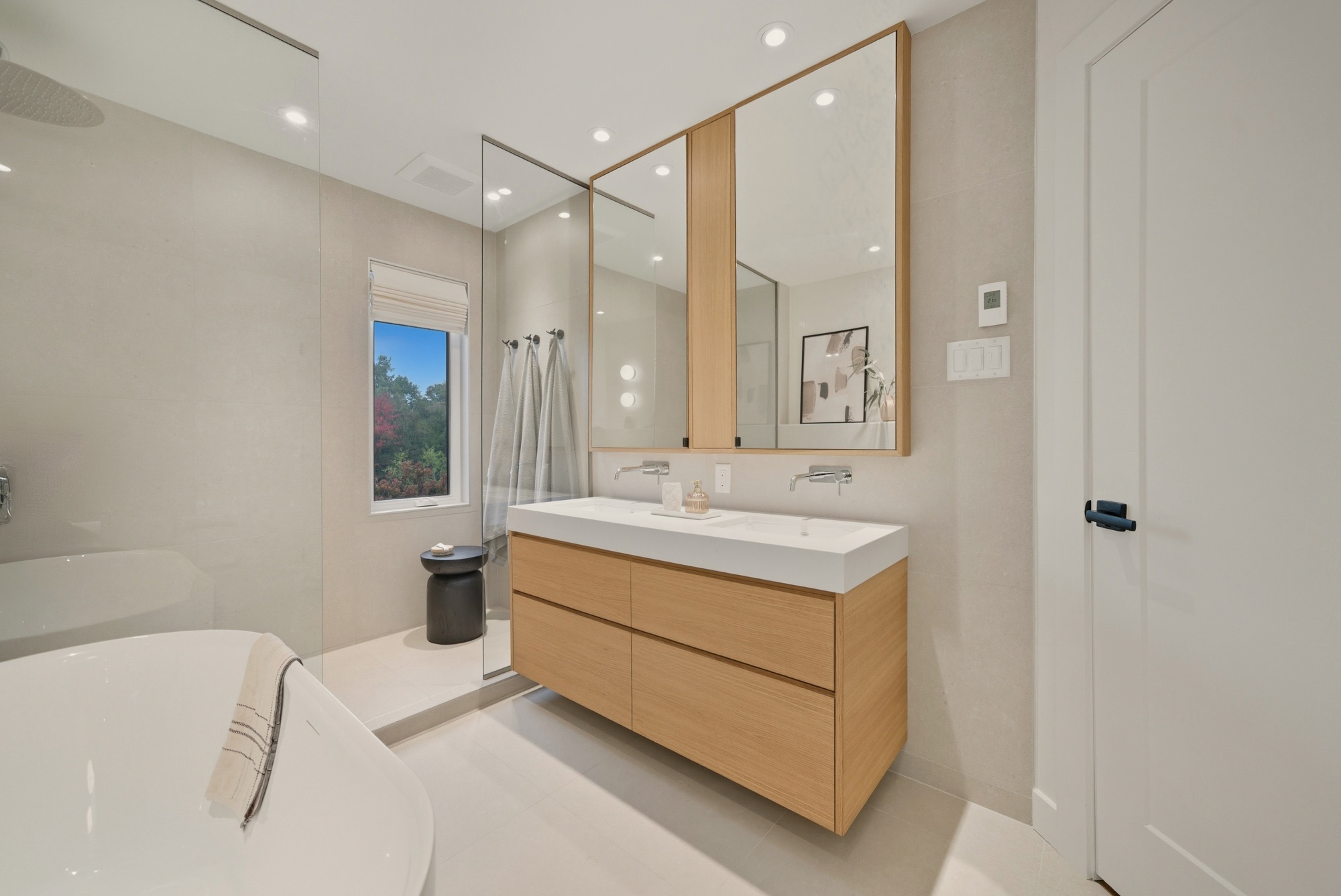
Hardwoods
With a greater density, hardwoods, also called noble woods, will be more robust and heavier than softwoods. They will therefore be favoured for projects where handling will be common and the risk of impacts higher.
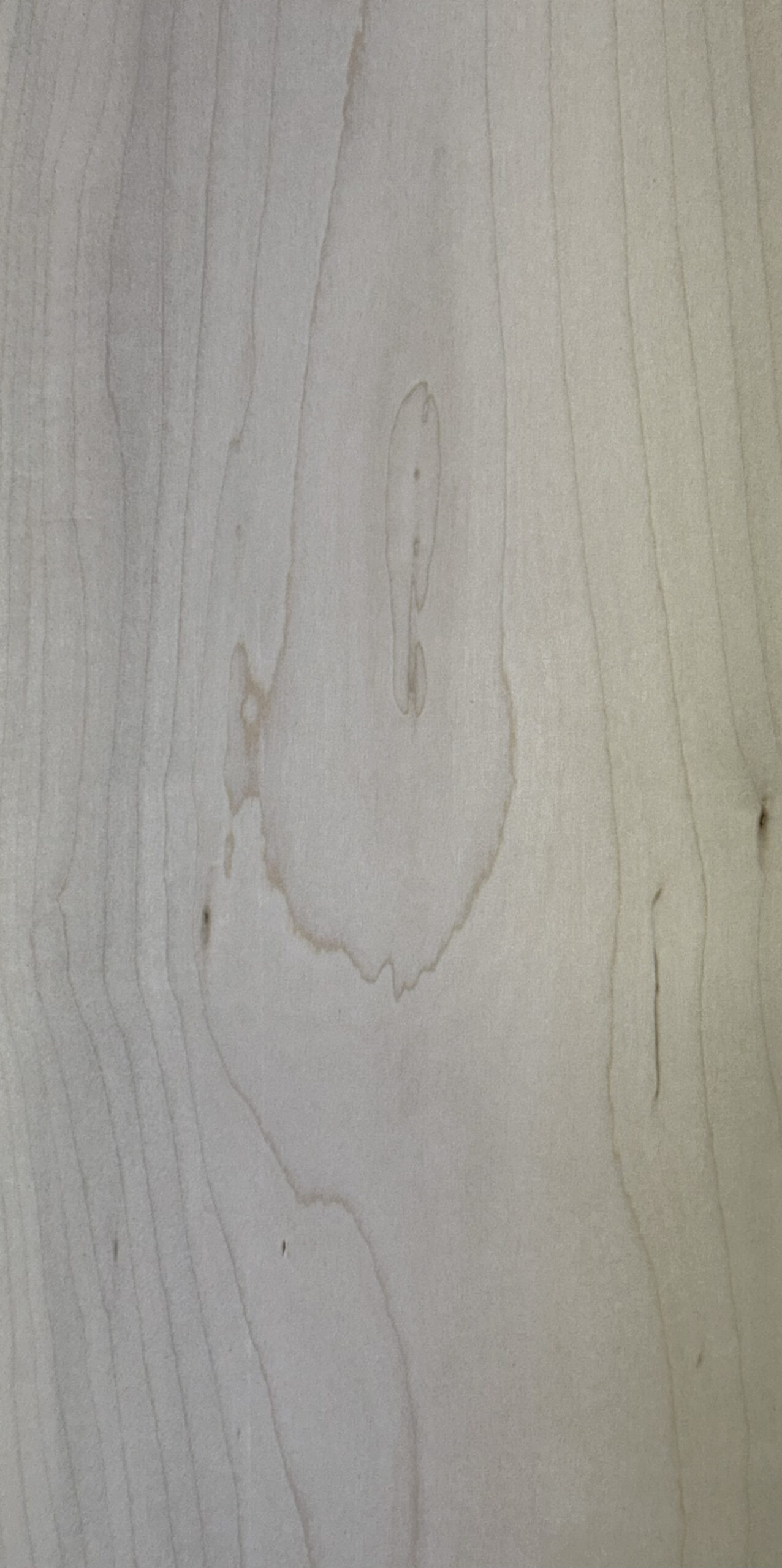
Maple
Noble and hard, maple is not only the emblem of Canada, but also that of prestige and resistance in cabinetmaking projects. Its fine and homogeneous grain makes it an easy species to work with but due to its low resistance to temperature variations, we recommend not installing it near a heat source.
Ideal for :
- Furniture
- Cutting boards
- Floors
- Mouldings
- Architectural products
- Kitchen
- Staircase
- Counter
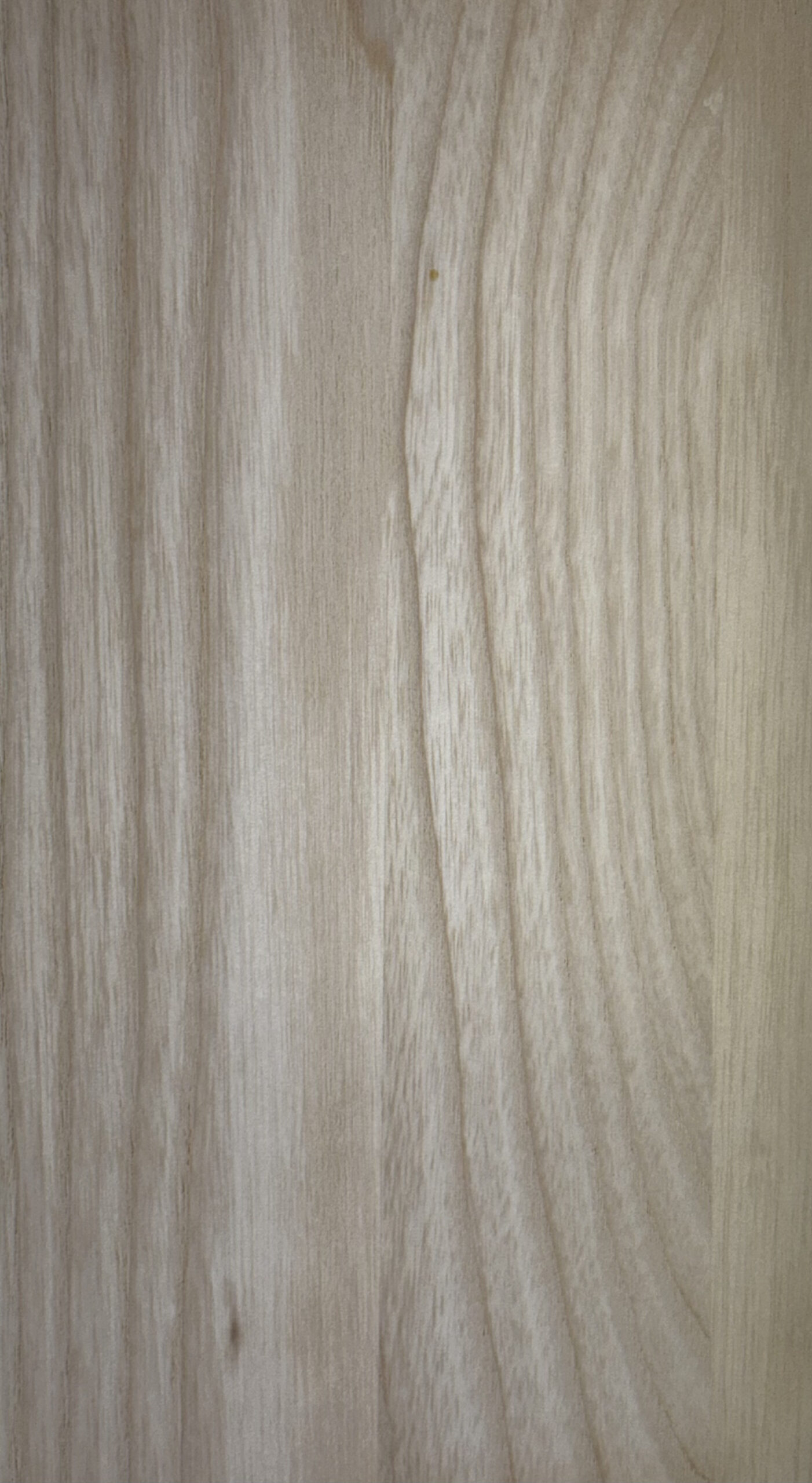
Ash
In addition to being very robust, ash wood is flexible and tolerates temperature variations and higher humidity levels. Its smooth and permeable surface makes it an ideal species for painting or staining. However, this means that you will have to maintain it well as it stains easily without adequate protection. Not recommended for outdoor use. Very versatile, it lends itself to several projects, including:
- Stairs
- Furniture
- Bows
- Floor
- Kitchen
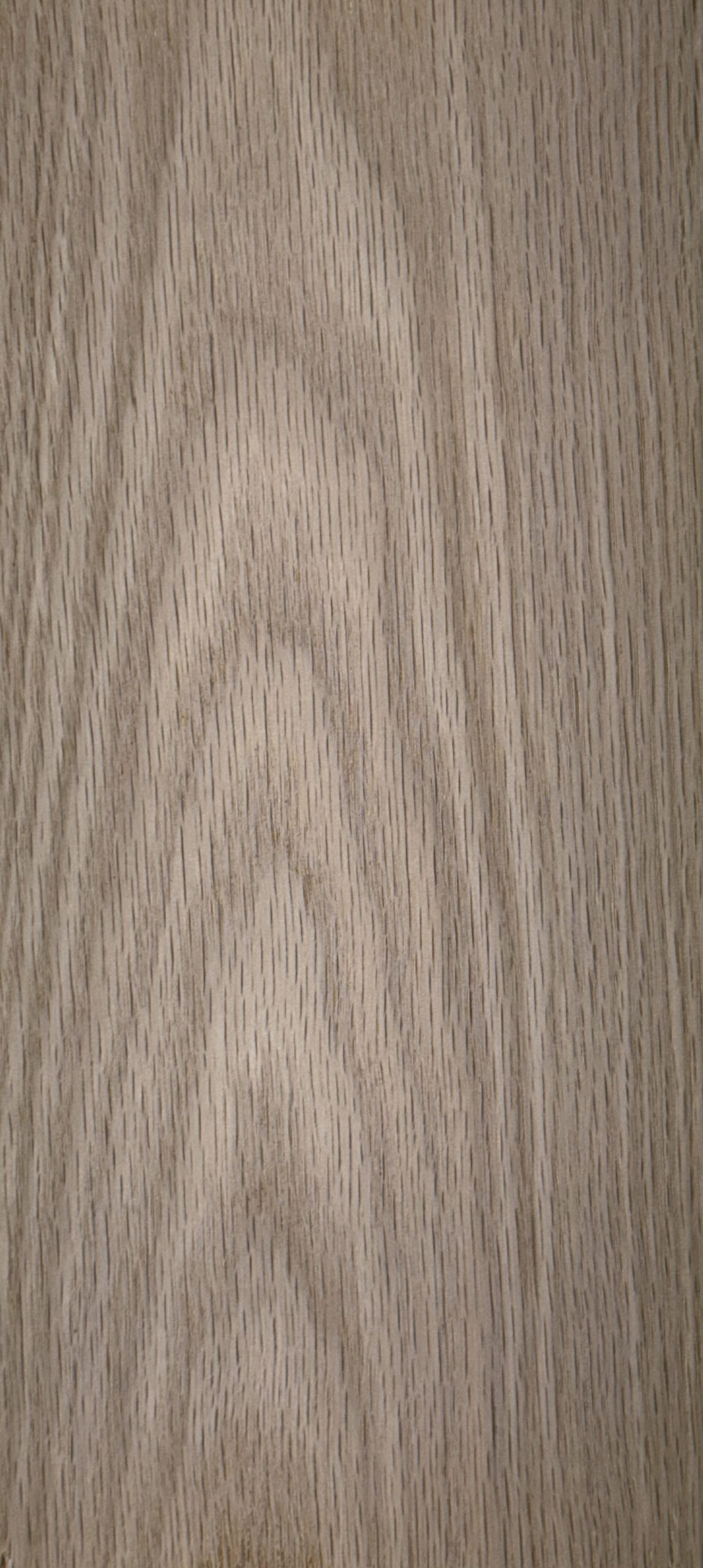
Red Oak
Red oak is a durable hardwood valued for its strength, stability, and excellent workability. Its open grain and pronounced growth rings create a rich, expressive texture with a naturally warm character. It takes stains and finishes exceptionally well, allowing for a wide range of looks—from natural tones to deeper, darker shades. Versatile and long-lasting, red oak is an ideal choice for interior millwork, doors, furniture, and architectural elements designed for everyday use.
Recommended Interior Applications :
-
Cabinetry
-
Furniture
-
Doors
-
Staircases
-
Interior millwork
-
Flooring
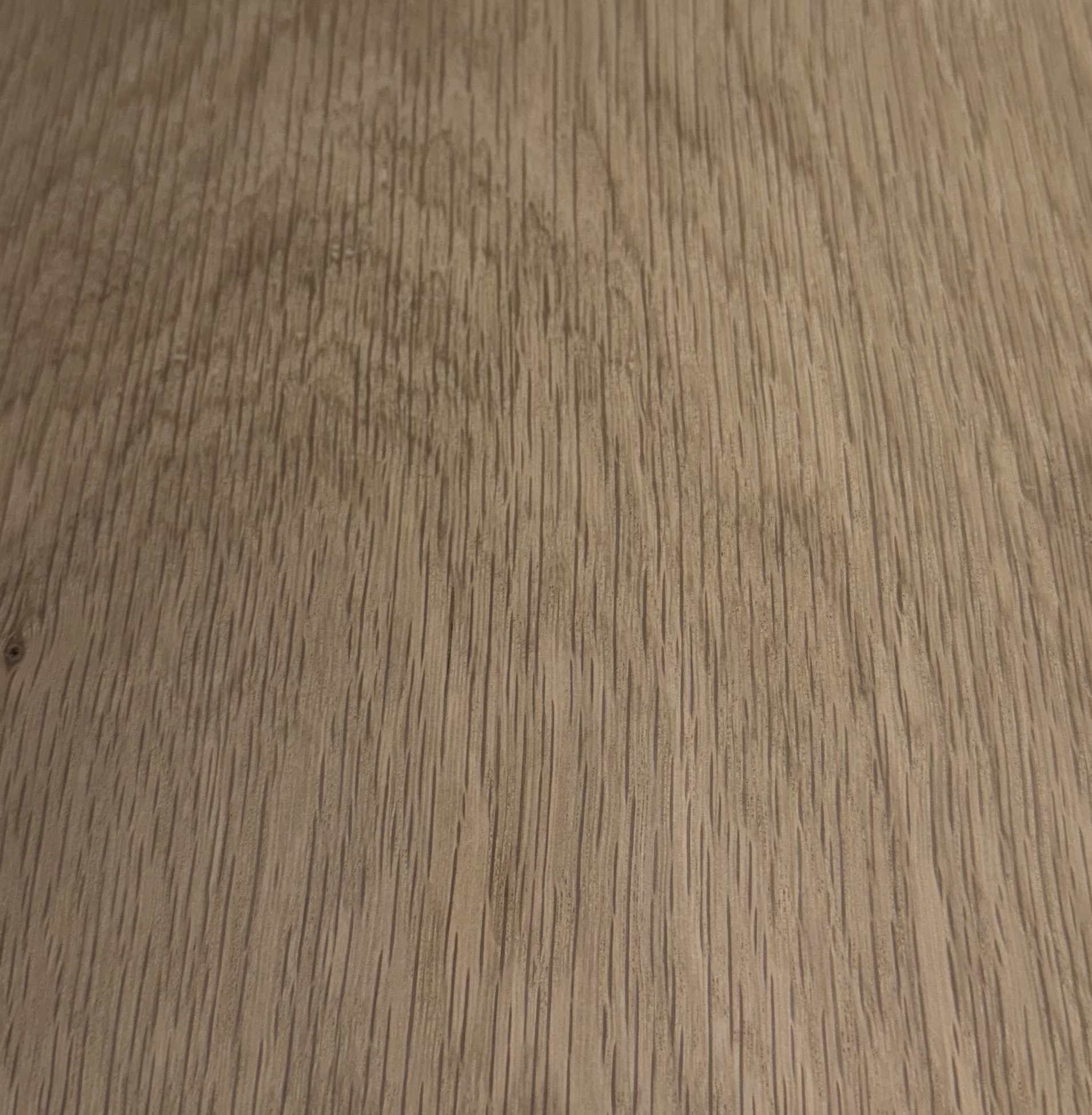
White Oak
Very resistant, white oak is known for its fine grain which makes it a flexible and easy wood to work with. Rot-proof, hence it is a species of choice for creations that will be exposed to bad weather. In the past, it was also used for building boats.
We recommend it for :
- Furniture
- Floors
- Mouldings
- Architectural products
- Doors
- Boats
- Barrel
- Staircase
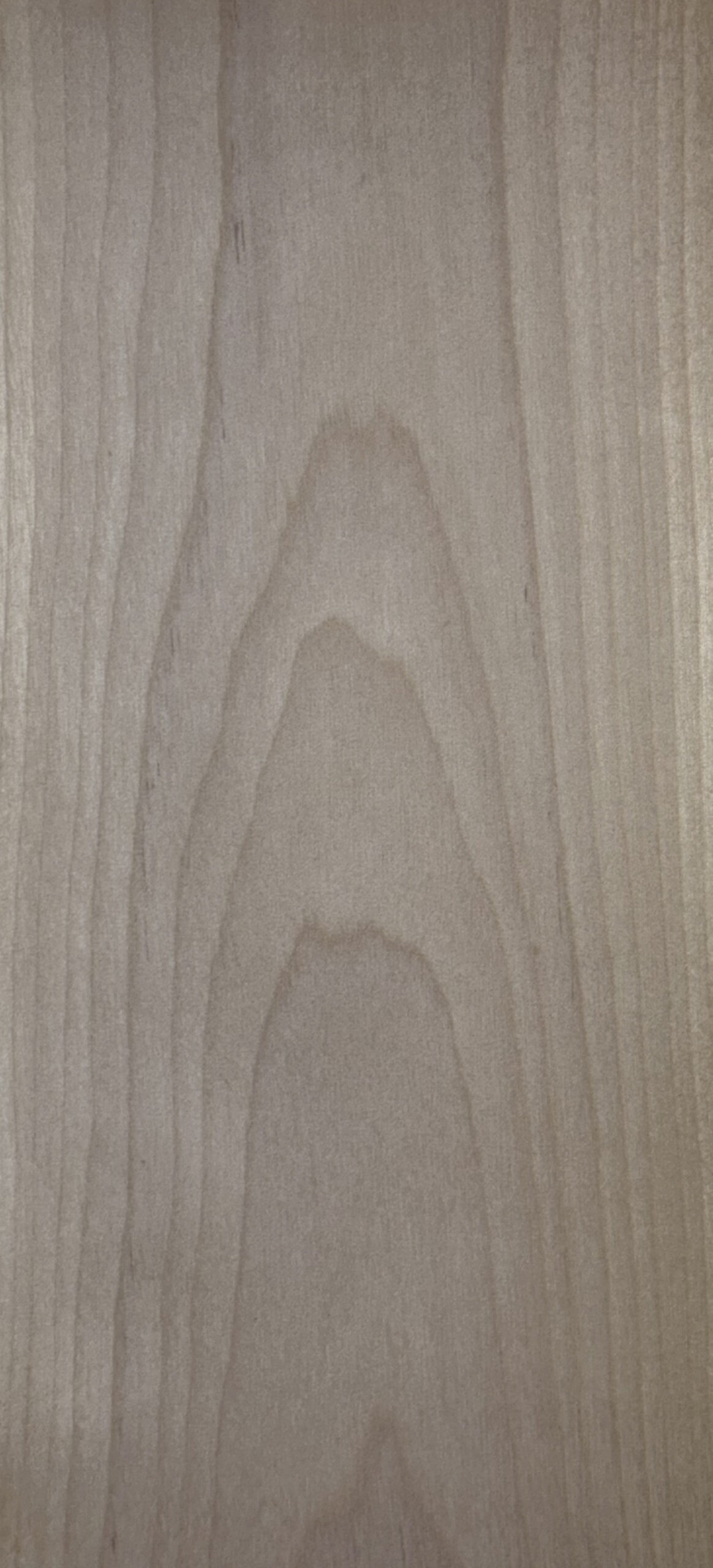
Yellow Birch
Semi-hard cherry is highly prized for its cream color with reddish accents. However, it does not tolerate humidity, so its use is reserved for interior projects where the risk of contact with water is lower.
We will use it for :
- Interior trim
- Furniture
- Cabinets
- Wood turning
- Staircase
- Floor
- Counter
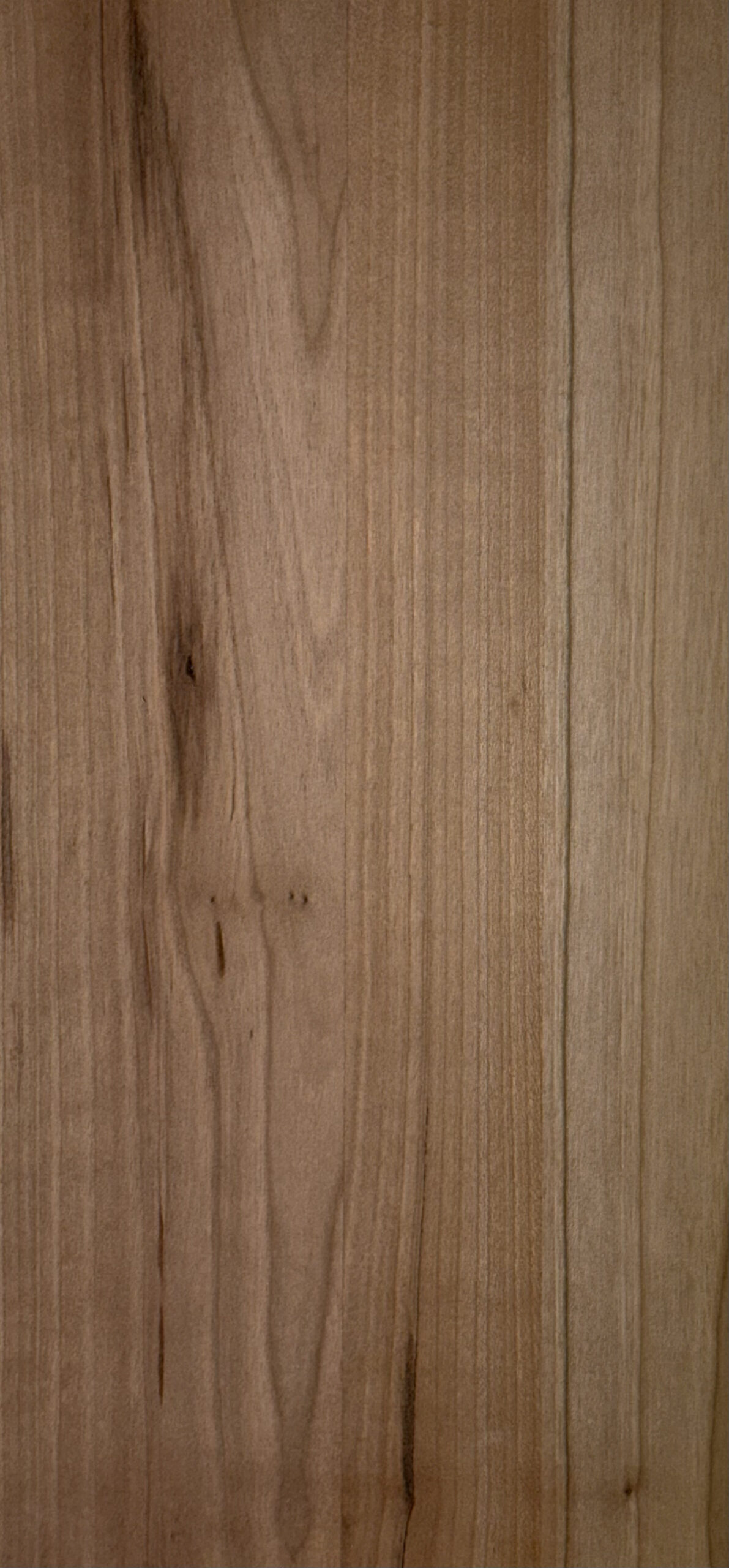
Cherry Tree
This wood has a straight and fine grain. It is distinguished by its reddish-amber hue. Very easy to work with, it allows for beautiful finishing work. However, it cannot withstand humidity so it should be avoided for bathrooms and outdoor uses.
It is very appreciated in the manufacture of :
- Furniture
- Staircase
- Kitchen
- Moulding
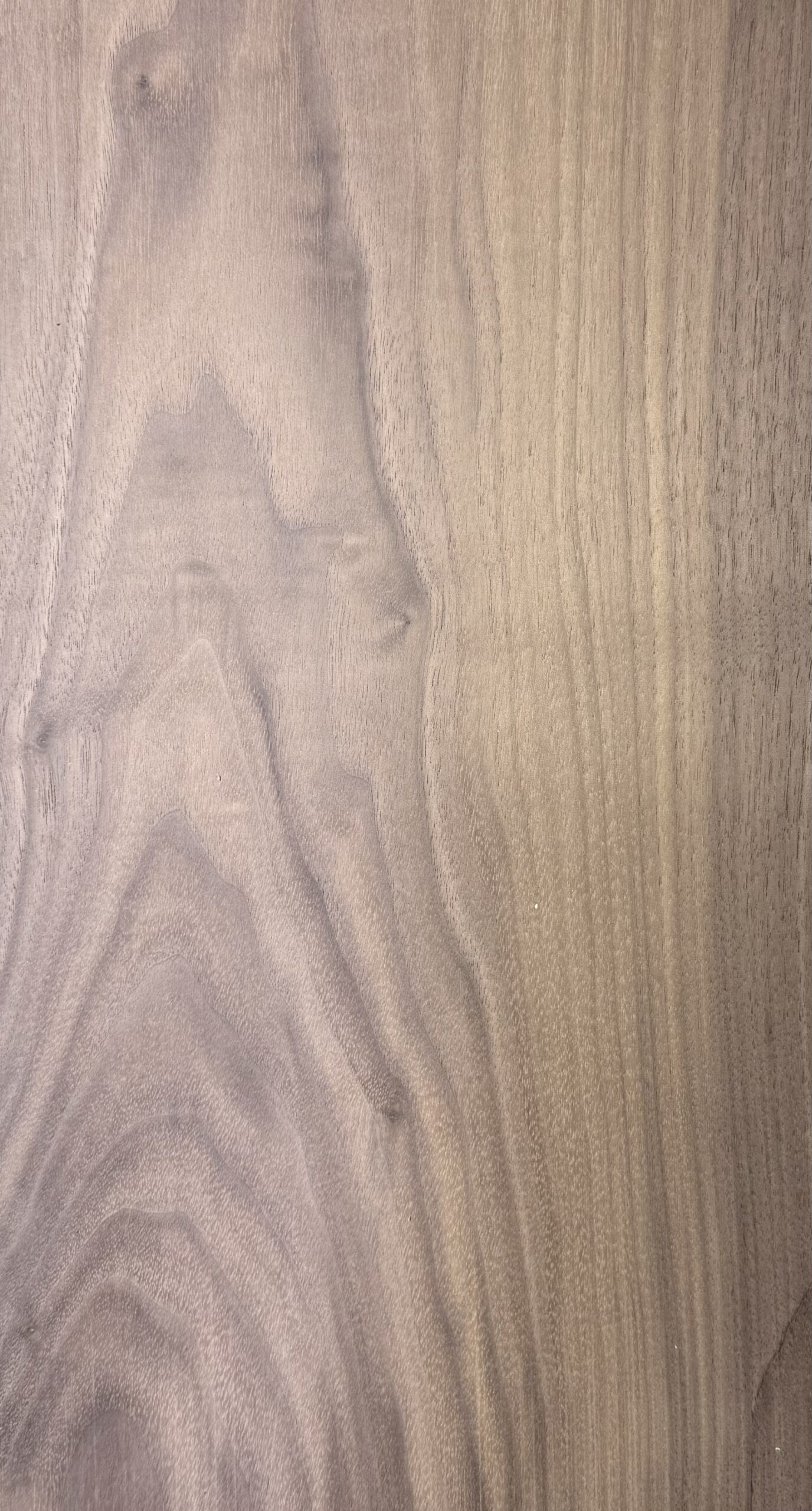
Black Walnut
Due to its fine grain and dark colour, this wood is ideal for creating a contrast effect with another species – black walnut is very popular in high-end cabinetmaking.
However, it does not have good resistance to external conditions. It is mainly used for:
- Furniture
- Architectural cabinetmaking
- Marquetry
- Moulding
- Staircase
- Counter
Softwood
Softer and malleable, softwoods are, with a few exceptions, less resistant than hardwood. However, they should not be underestimated; they also have their advantages, notably their lightness and economical price.
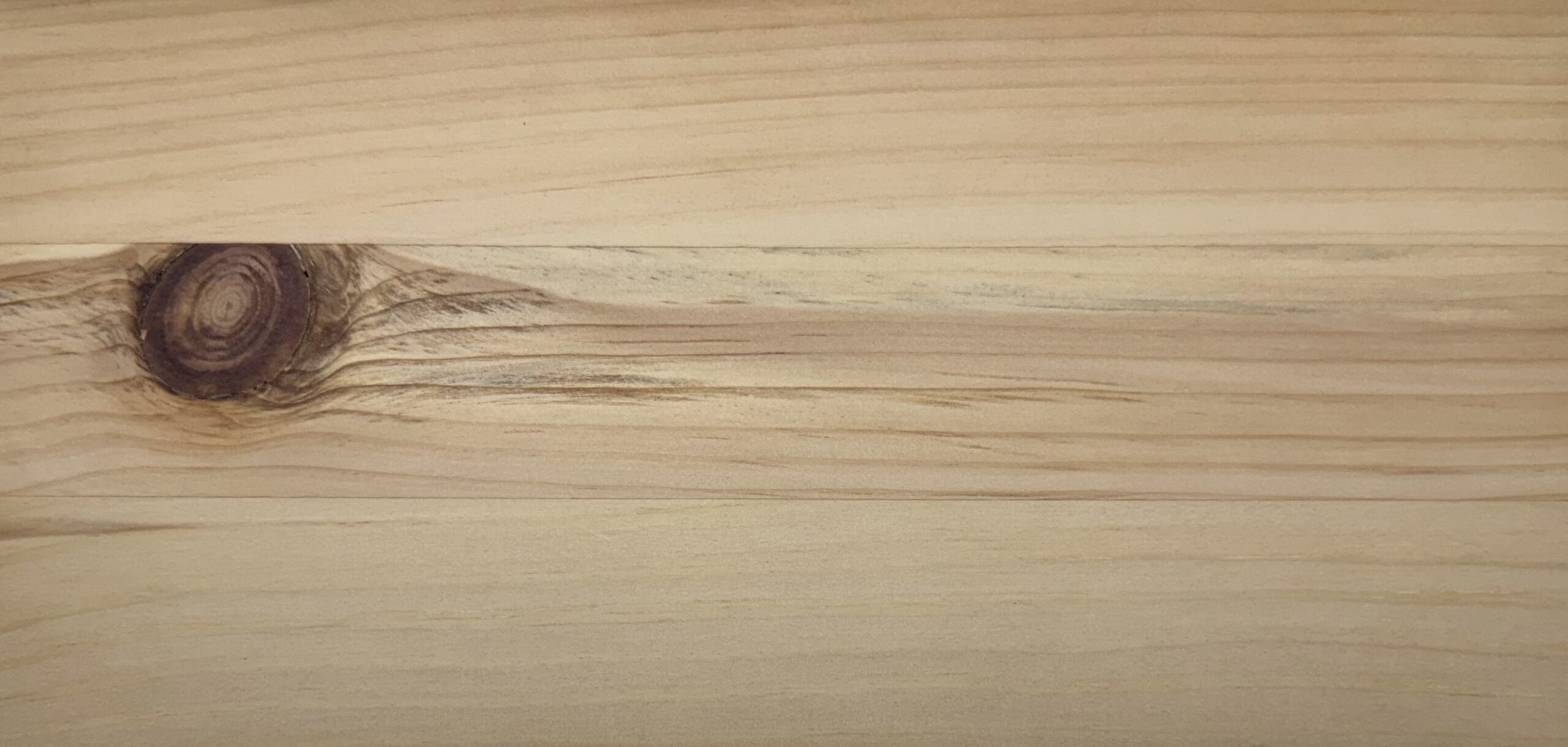
White Pine
White pine is very appreciated for its fine and straight grain which gives it a uniform texture and appearance. Note that its color will tend to darken over time. Moderately resistant to rot, white pine is not recommended for exterior projects.
We will rather favor it for :
- Paneling
- Floors
- Furniture
- Panels
- Doors
- Windows
- Cabinets
- Structure
- Mouldings

White Cedar
Rot-proof, white cedar is ideal for objects intended for outdoor use. Its uniform grain and malleability make it very practical to work with using different techniques. Its soft surface and lightness make it an essence of choice for various everyday applications. Cedar paints very well, but if it is not treated, it will display a gray tint over time which can be much appreciated for its rustic appearance.
This species is recommended for :
- Exterior covering
- Shingles
- Patios
- Veranda
- Mouldings
- Indoor and outdoor furniture
- Docks
- Doors
- Windows
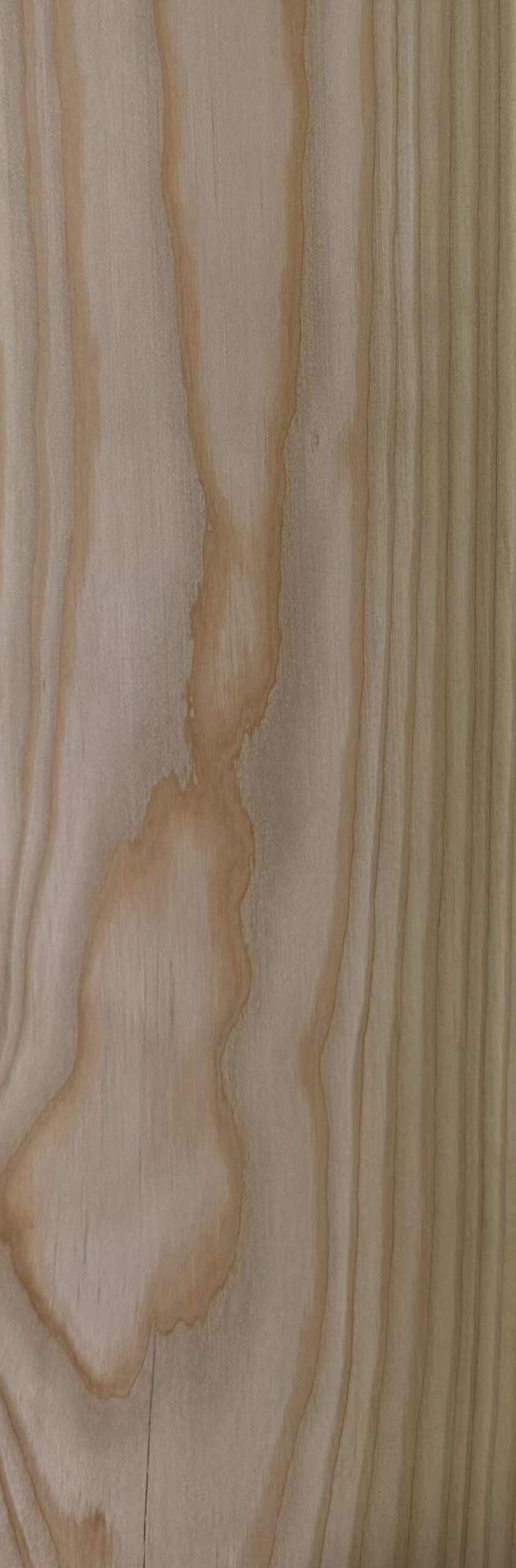
Larch
Larch is both rot-proof and waterproof. It is the most resistant softwood there is and its colour contrast to create an elegant effect which makes it very popular for:
- Moulding and rosettes
- Floors
- Decking
- Panelling
- Indoor and outdoor furniture
- Exterior covering
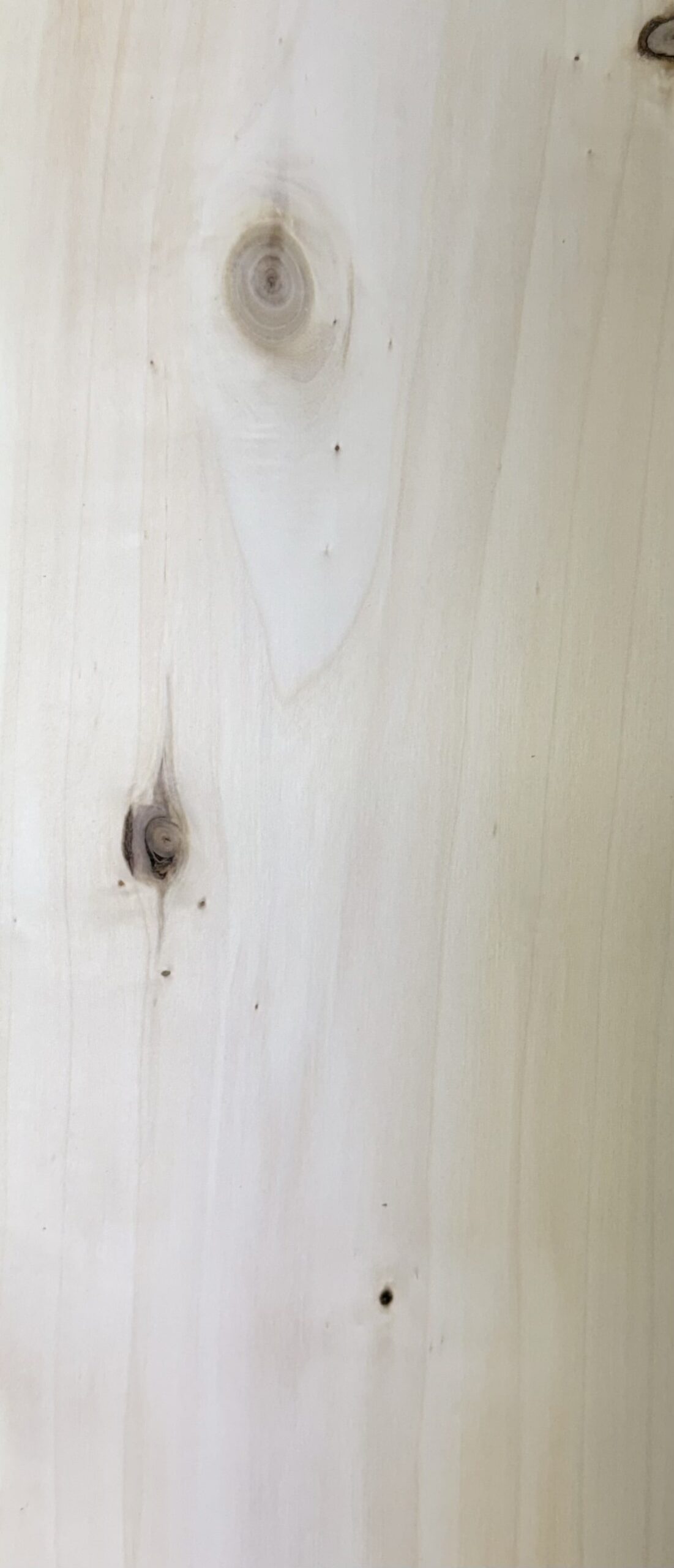
Aspen
Aspen is a lightweight, fine-grained wood prized for its smooth, uniform texture and its stability in interior applications. It machines and works easily, producing a clean, refined surface that is ideal for painted, stained, or oiled finishes. Its naturally pale tone—ranging from creamy white to light beige—makes it an excellent choice for bright interiors and millwork where a consistent, even appearance is desired.
Recommended Interior Applications :
-
Wall paneling
-
Doors and decorative elements
-
Lightweight built-in furniture
-
Moulding and trim

Butternut
Butternut is a relatively soft and easy-to-work hardwood, valued in fine cabinetry for its stability and clean machinability. Its naturally light tone—ranging from honey to pale brown—features a smooth, understated grain that brings warmth and brightness to interiors. It accepts oils, varnishes, and stains exceptionally well, allowing for either a natural finish or a more contrasted look depending on the project.
This species is recommended for :
-
Furniture
-
Wall paneling
-
Interior millwork
-
Joinery
Hemlock
Soft and light, hemlock wood is easy to work with. It will be especially useful for the non-visible element of your projects.
We will use it for :
- Plywood,
- Vertical exterior paneling
- Structures
- Boards
- Carpentry
Different approaches for a unique product
Our passion for wood is not limited to traditional cabinetmaking. We constantly seek to push our limits to offer you a product that stands out from the crowd.
Which products to use?
An eco-responsible selection
As in all aspects of its corporate culture, Toosky values ethics and sustainability when it comes to choosing its products.
Some of the products
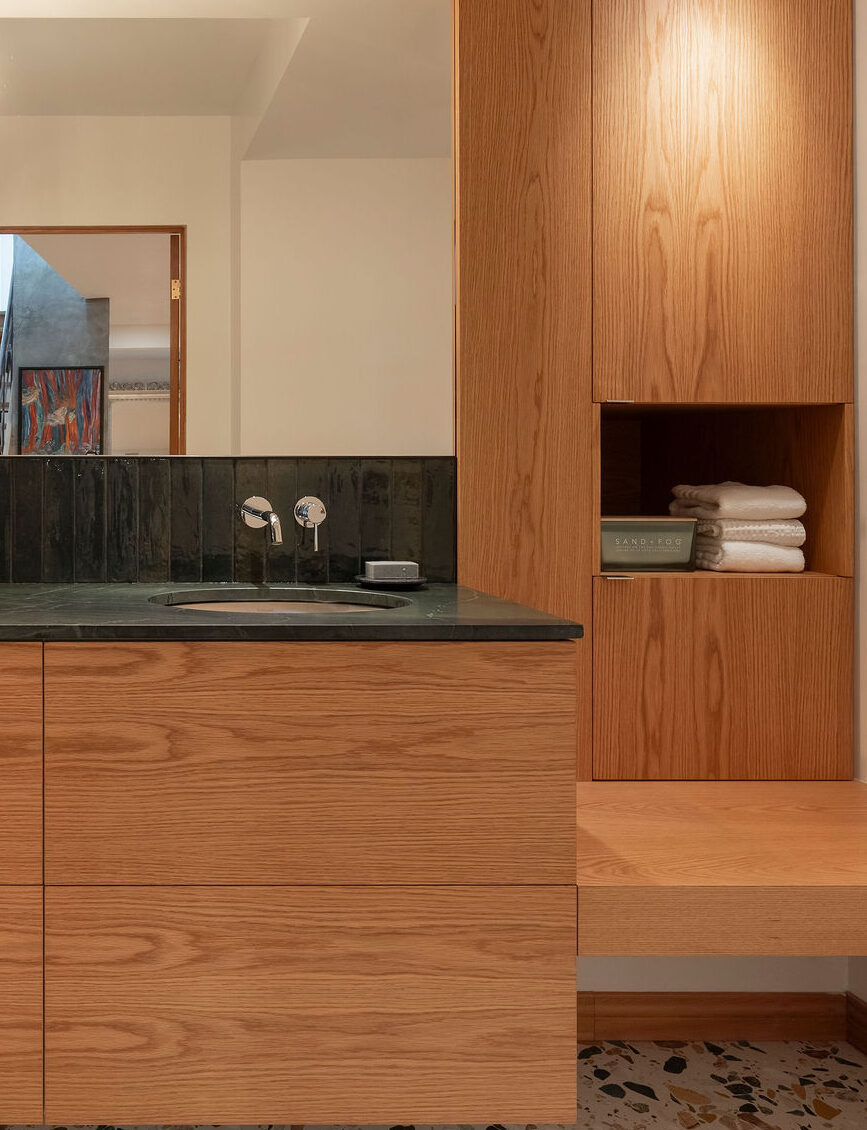
Acrylic Polyurethane
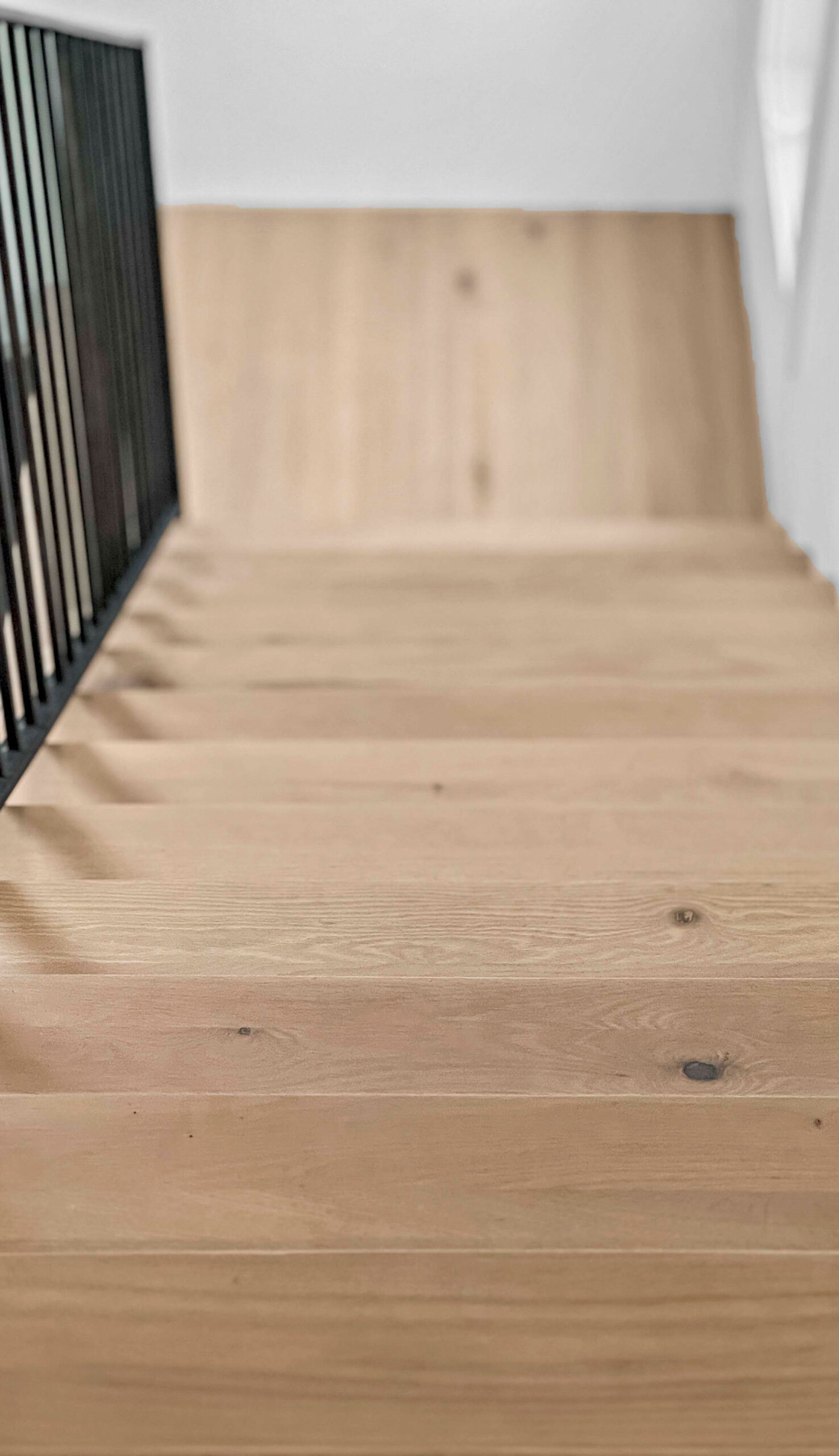
Acrylic polyurethane provides a highly durable finish designed to stand the test of time. Its protective film enhances the natural beauty of the wood while offering excellent resistance to impacts, moisture, and the demands of everyday living.
Aluminum Oxide Varnish
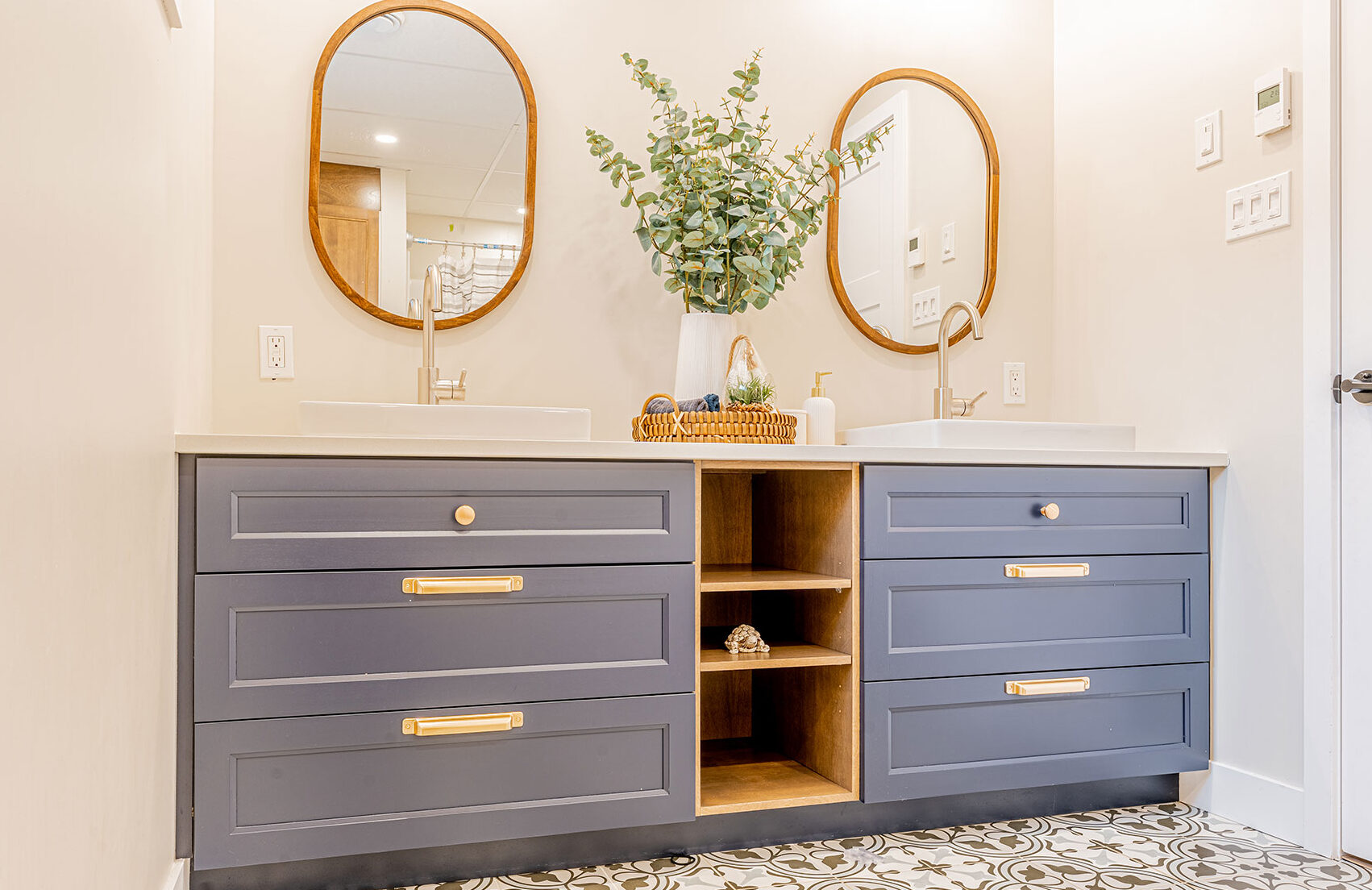
Engineered for performance, aluminum oxide varnish is one of the most durable finishes on the market. Its exceptional resistance to scratches, abrasion, and everyday wear makes it a preferred choice for millwork and high-use surfaces, while preserving the depth and natural beauty of the wood.
Acromat Lacquer
Acromat lacquer is a premium ultra-matte finish designed to achieve a uniform, glare-free surface. It stands out for its velvety feel, stability, and everyday performance—making it especially well suited for doors, panels, built-in furniture, and custom millwork.
Marine Varnish
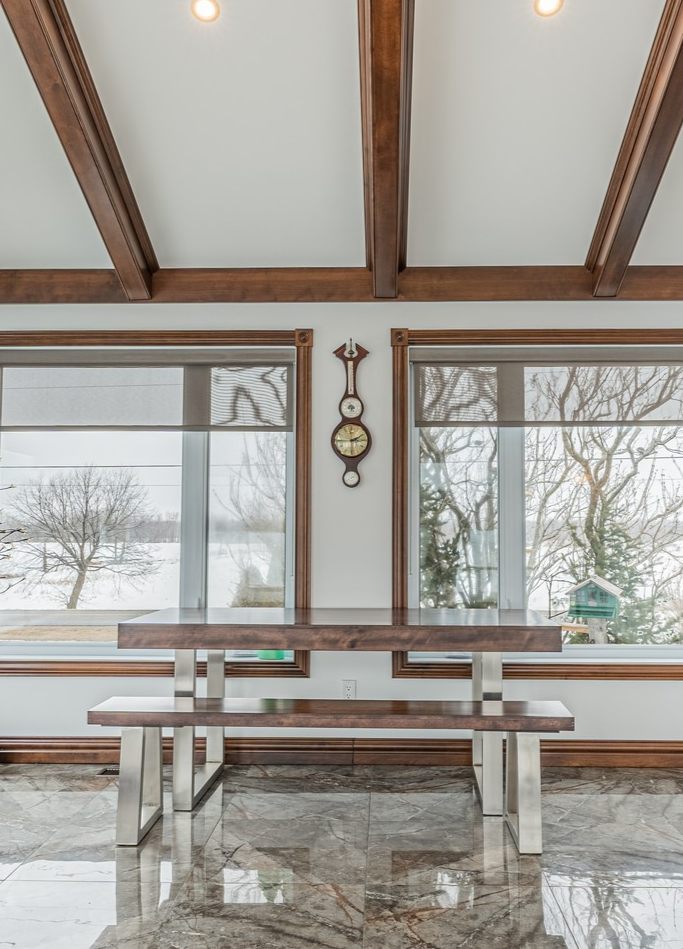
Marine varnish is a high-performance finish formulated to resist water, prolonged moisture, and temperature fluctuations. Its flexible film allows it to move with the natural expansion and contraction of wood, reducing the risk of cracking or delamination. It is particularly recommended for exposed millwork, cottages, and certain humid areas.

Rubio Oil
Rubio Monocoat is a high-performance finishing oil that bonds to the wood fibers through molecular bonding technology, delivering protection in a single coat. It creates a durable barrier against water and wear while remaining microporous, allowing the wood to breathe and retain its natural look and feel.
Epoxy
We use epoxy to fill imperfections in the wood when desired. This low-porosity product can easily accept most finishes.
How to maintain
my wooden furniture?
At Creations Toosky, we know that the beauty and durability of woodwork depend on regular, proper care. This guide outlines best practices to follow on a daily basis to preserve the appearance and performance of your finished wood surfaces.
Gentle, consistent care ensures the longevity and natural beauty of your woodwork. By following these simple recommendations, your surfaces will remain radiant and protected for many years to come.
Daily Care
-
Dust regularly using a soft, dry cloth (microfiber is ideal).
-
Clean with a slightly damp cloth (never soaking wet).
-
Always wipe away any moisture immediately.
Recommended Products
-
Mild, pH-neutral soap diluted in lukewarm water.
-
Cleaners specifically designed for finished wood surfaces (acrylic, polyurethane, oil, etc.).
-
Oils or waxes suited to the type of finish (see our product sheets).
Products and Practices to Avoid
-
Avoid abrasive cleaners, ammonia-based products, or products containing alcohol.
-
Do not use steel wool, abrasive sponges, or hard brushes.
-
Never allow water to sit on the surface.
Products to Avoid at All Costs
-
Ammonia, pure vinegar, or strong degreasers.
-
Abrasive products or scouring powders.
-
Alcohol or solvents (acetone, mineral spirits / white spirit, etc.).
-
Steam cleaners (heat + moisture may crack the protective finish).
Preventive Protection
-
Use coasters, placemats, or trivets to reduce stains and heat marks.
-
Install protective felt pads under furniture legs.
-
Maintain stable indoor humidity (ideally between 40% and 60%) to prevent wood movement and warping.
Periodic Care (Weekly / Monthly)
-
Apply a recommended maintenance product depending on the finish (Rubio/Livos oil, natural wax, or a polyurethane refresher).
-
Regularly inspect the condition of the varnish/oil and reapply as needed.